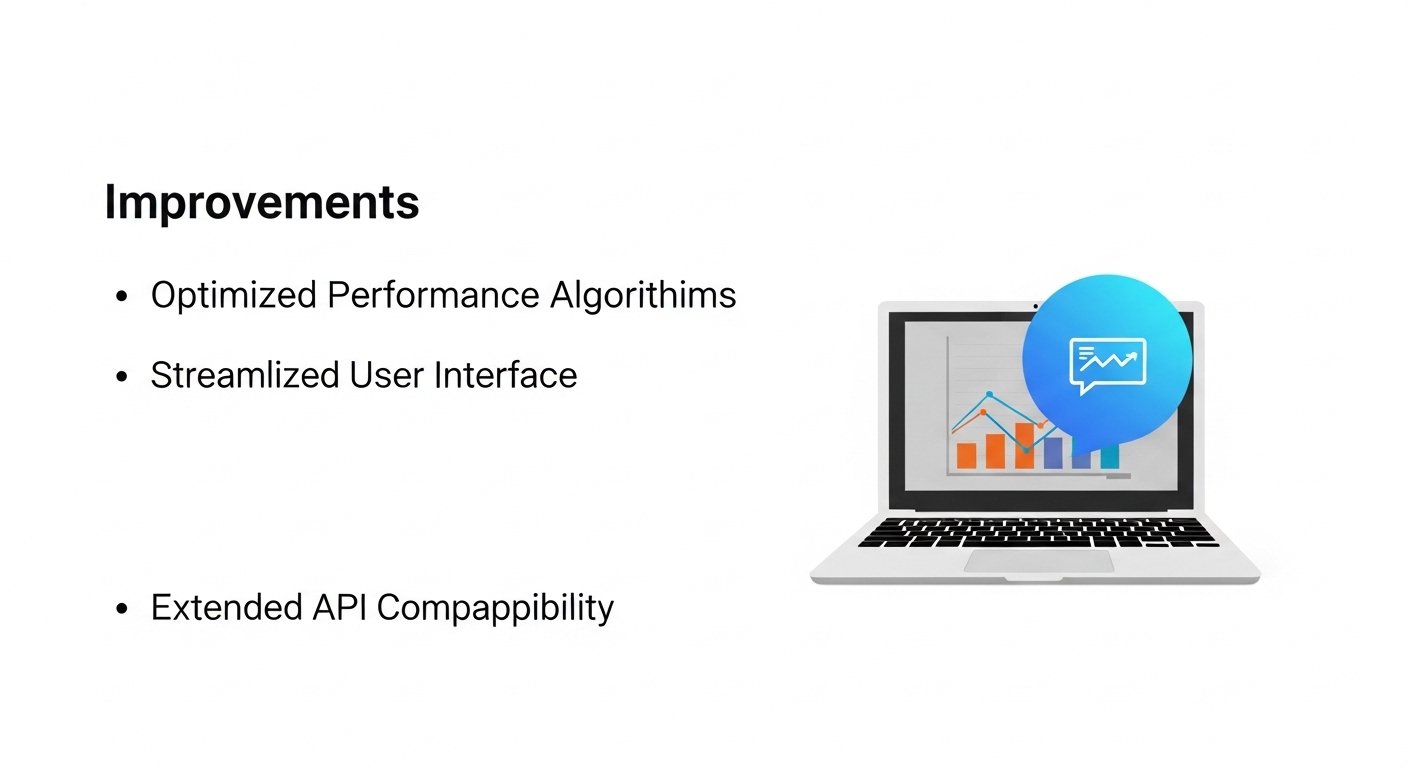
Software evolves through steady refinements, and refixs2.5.8a represents a focused update designed to enhance stability, performance, and system consistency. Rather than introducing radical changes, this version concentrates on strengthening the core framework while resolving known inefficiencies. Understanding what refixs2.5.8a delivers—and how to implement it correctly—can help teams maintain reliability without unnecessary disruption.
Understanding the Purpose of refixs2.5.8a
Every structured version number reflects a stage in development. The “2.5.8a” format suggests a minor but meaningful revision. Updates like refixs2.5.8a are typically built to refine existing functionality rather than replace architecture. These adjustments may include backend optimizations, improved error handling, and subtle security enhancements.
Such releases are often overlooked because they lack dramatic feature announcements. However, in professional environments, consistency and reliability matter more than cosmetic changes. That is where refixs2.5.8a adds measurable value.
Core Improvements in refixs2.5.8a
Stability Enhancements
One of the primary goals behind refixs2.5.8a is system stability. Minor bugs that once caused random slowdowns or interruptions are addressed at the structural level. When stability improves, productivity follows. Systems become predictable, and troubleshooting time decreases.
For long-running applications, stability updates like refixs2.5.8a reduce the risk of crashes under heavy workloads. This is particularly important for enterprise-grade systems that cannot afford downtime.
Performance Optimization
Efficiency is often improved through refined resource management. Refixs2.5.8a may include memory optimization adjustments, faster data processing routines, and improved task scheduling. These backend improvements can reduce CPU strain and shorten response times.
Performance gains are rarely accidental. Developers analyze usage patterns and refine inefficient segments of code. As a result, refixs2.5.8a can feel smoother even though the interface remains unchanged.
Security Reinforcement
Security patches are a critical component of incremental releases. Even small vulnerabilities can expose systems to risk. Refixs2.5.8a likely strengthens authentication routines, data validation processes, or encryption compatibility.
Proactive updates prevent larger problems later. Keeping systems aligned with versions like refixs2.5.8a ensures that security layers remain up to date.
Why Minor Releases Matter More Than You Think
It’s tempting to wait for major releases before upgrading. However, skipping versions such as refixs2.5.8a can create compatibility gaps over time. Small patches accumulate, and ignoring them may eventually require a complex overhaul.
Incremental updates reduce the shock of major transitions. When refixs2.5.8a fine-tunes system behavior, it lays groundwork for future upgrades without forcing sudden changes.
Technical Perspective: What Happens Behind the Scenes
While end users might notice smoother performance, the technical side of refixs2.5.8a is where most improvements occur. These can include:
- Optimized database queries
- Reduced memory leaks
- Improved API request handling
- More precise logging mechanisms
- Enhanced background process control
Such adjustments make systems more resilient. Instead of failing entirely during an unexpected error, the system isolates the issue and continues operating. Refixs2.5.8a often focuses on these defensive improvements.
Safe Deployment Strategy
Updating software requires planning. Even stable releases like refixs2.5.8a should be deployed methodically.
Backup First
Always create a complete backup before applying updates. Although refixs2.5.8a aims for compatibility, unforeseen conflicts can occur.
Use a Staging Environment
Testing refixs2.5.8a in a non-production environment allows you to verify functionality without risking live operations. This step is essential for mission-critical systems.
Monitor After Installation
After deployment, track performance metrics such as load time, server response, and resource usage. This confirms whether refixs2.5.8a delivers expected improvements.
Validate Integrations
Third-party tools or extensions may behave differently after updates. Review integration points carefully to ensure smooth operation.
Practical Benefits for Businesses
For organizations, refixs2.5.8a offers more than technical improvements. It strengthens operational continuity. Stable systems reduce employee frustration and customer complaints.
In environments where uptime influences revenue, even minor improvements can make a noticeable difference. Faster response times and fewer errors translate into better user experience.
Smaller teams also benefit because optimized systems require less manual intervention. Refixs2.5.8a helps reduce maintenance overhead by addressing inefficiencies at the source.
Common Post-Update Issues and Solutions
While refixs2.5.8a is designed for smooth integration, some temporary challenges may appear. These include cached data conflicts, configuration mismatches, or outdated plugins.
Clearing cache, restarting services, and verifying configuration settings typically resolve most issues. Systematic troubleshooting ensures that refixs2.5.8a performs as intended.
Long-Term Optimization Tips
To maximize the impact of refixs2.5.8a, consider ongoing best practices:
- Maintain structured update logs
- Conduct periodic performance audits
- Monitor security alerts regularly
- Keep dependencies updated
Consistency in maintenance ensures that updates like refixs2.5.8a continue delivering value over time.
Comparing refixs2.5.8a with Major Upgrades
Major upgrades introduce new interfaces or architecture shifts. In contrast, refixs2.5.8a focuses on refinement. It strengthens existing frameworks without altering user workflows.
For businesses prioritizing reliability, incremental updates often provide better return on effort. Instead of retraining teams, they enjoy smoother performance with minimal adjustment.
Conclusion
Refixs2.5.8a stands as a practical example of how thoughtful refinement strengthens software ecosystems. Through stability enhancements, performance optimizations, and security reinforcement, it enhances overall reliability without unnecessary complexity.
Although it may not introduce headline features, its real value lies in operational consistency. Careful testing, strategic deployment, and continuous monitoring ensure that refixs2.5.8a becomes a foundation for sustainable performance improvement. For teams seeking dependable evolution rather than disruptive change, this version offers exactly that balance.
Meta Description: Explore features, stability upgrades, and optimization strategies of refixs2.5.8a in this detailed expert implementation guide.
SEO Category: Informational